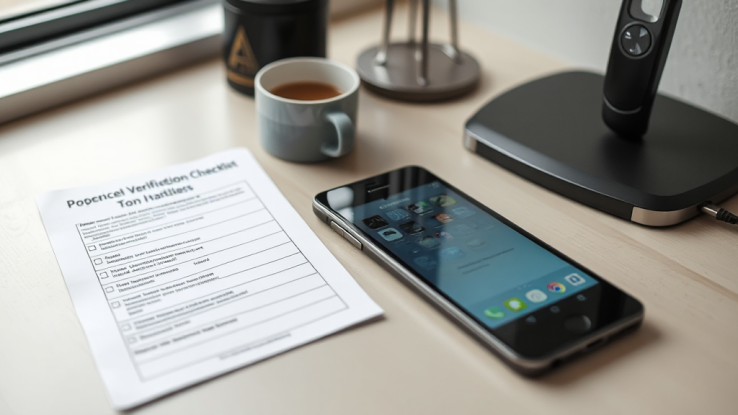
Yono New All Game: A Practical Guide to Sideloading Updates, Versions and Source Checks
If you follow Indian Android sideloading communities, you have probably seen the phrase Yono New All Game passed around in group chats, comment threads and short video captions. It usually appears as a shorthand label for a freshly circulated package build that claims to bundle a wide set of lobby-style titles into one installable file. That shorthand is useful for conversation, but it hides a lot of practical detail: which version is inside the file, how large the download is, who published it, and whether the source can be trusted at all. This guide walks through the sensible way to approach that kind of package listing.
The goal here is not to hype a download. It is to explain how an informed Android user reads a sideload listing, checks its metadata, verifies the origin, and decides whether the file is worth keeping on a phone. Treat the label as a starting point for research, not as a guarantee of anything.
What the Label Actually Refers To
In practice, “Yono New All Game” is a community nickname rather than an official product name. It tends to describe a package that aggregates multiple lobby-style mini-apps under a single installer, often refreshed when a new build is pushed out. Because the label is informal, two people can use the same phrase and mean slightly different files. One person may be pointing at a 40 MB update, another at a 90 MB rebuild with extra lobby entries.
That ambiguity is the first thing to resolve. Before downloading anything, confirm the exact file name, the version string and the file size. A directory-style listing that records version, size and lobby focus is far more useful than a screenshot with a vague caption. Editorial notes sites in this space exist precisely to reduce that confusion by logging what each package claims to contain.
Reading Package Metadata Before You Install
Sideloaded Android packages carry metadata that tells you a lot before you ever tap install. The three fields worth checking first are version, file size and package identity.
Version string. Look for a clear build number or date. If the listing says “latest” with no number, that is a warning sign. A version you cannot pin down is a version you cannot compare against anything else.
File size. Size is a rough fingerprint. If a package that normally sits around 45 MB suddenly appears at 180 MB, something changed. It could be legitimate new content, or it could be bundled extras you did not ask for. Either way, the change deserves a second look.
Package identity. The internal package name should stay consistent across updates. If the same label points to a different package name each time, you are likely looking at unrelated builds sharing a popular nickname.
A reference desk that logs these fields for related Indian Android packages makes the comparison quick. Instead of guessing, you can line up version, size and lobby focus side by side and spot the outliers.
Why Source Verification Matters More Than the Name
The name on a download page means very little on its own. Anyone can copy a popular label and attach it to a file. What matters is where the file came from and whether that source has a track record.
A basic source check involves a few questions:
- Does the page clearly state what the package is and is not?
- Is there a version history rather than a single undated link?
- Are file size and lobby focus listed consistently?
- Does the site separate editorial notes from download buttons?
- Is there any indication of who maintains the listing?
None of these guarantees safety, but together they separate a maintained listing from a throwaway mirror. Sites that publish source checks and note what they verified are more useful than pages that simply push a button.
Age Gates and Directory Boundaries
Many of these packages sit inside an 18+ directory context. That is not a marketing detail; it is a boundary. If a listing is marked for adults, respect that. Age gates exist because the surrounding content, the lobby themes or the community norms are not aimed at younger users.
It also helps to be clear about what a directory is. An editorial notes site is not a casino operator, not a game studio and not an official app store. It is a reference point. Confusing a listing site with a service provider leads to wrong expectations about support, refunds and accountability. Read the site’s own description of itself before assuming what it does.
Installing and Updating Sideloaded Packages Safely
Once you have decided a package listing looks reasonable, the installation itself still deserves care. A few habits reduce most of the common problems:
Keep one source per package. Mixing builds from different mirrors is how version conflicts start. Pick a listing you have checked and stay with it.
Remove the old build before installing a new one when versions conflict. Android will refuse an update if the signing key differs, and a half-installed state is worse than a clean reinstall.
Check storage before downloading. A 90 MB file plus its extracted data can eat several hundred megabytes. Low storage causes failed installs that look like package errors.
Review permissions after install. If a lobby-style package asks for contacts, SMS or accessibility access, that is unusual and worth questioning.
Keep a note of the version you installed. When a new build appears, you will want to know what you are updating from.
Common Confusions Around “New” and “All”
Two words in the label cause most of the misunderstanding.
“New” does not mean newly released by an official publisher. It usually means newly circulated in sideloading channels. The build may be a rebuild, a re-upload or a repackaged version of something older.
“All” does not mean every possible title is inside. It means the package bundles a set of lobby entries the uploader chose to include. The actual list varies between builds, and it is one of the first things a good listing should describe.
When you see these words, translate them into questions: Which version is this? What is the file size? Which lobbies are included? Who published it? A listing that answers those questions is doing its job.
Building a Personal Verification Routine
Over time, the most reliable protection is a routine you repeat for every package, not a single trusted download. A simple routine looks like this:
- Find a listing that records version, size and lobby focus.
- Compare those fields against the previous build you installed.
- Check whether the source publishes notes about what it verified.
- Confirm the age rating and directory context.
- Install on a device you are comfortable testing on.
- Review permissions and storage use after the first launch.
- Record what you installed so the next update is easy to judge.
This routine takes a few minutes and saves considerably more time than troubleshooting a bad install later. It also makes you less dependent on any single download page, because you are evaluating metadata rather than trusting a name.
Where Editorial Directories Fit In
Editorial directories occupy a specific and useful role in the sideloading ecosystem. They do not host the experience themselves, and they are not official distribution channels. They document. They log file size, version, lobby focus and source checks so that users can make comparisons without relying on rumor.
For a topic as loosely labeled as this one, that documentation is the main source of clarity. The label travels fast; the metadata travels slowly. A directory that keeps the metadata organized is doing more for users than any number of reposted captions.
If you are trying to understand what a particular build contains, start with the recorded details rather than the nickname. Version, size, lobby list and source notes will tell you far more than the words “new” and “all” ever will.
FAQ
Is “Yono New All Game” an official app?
No. It functions as a community label used to describe sideloaded package builds that bundle multiple lobby-style entries. It is not an official product name from a recognized publisher or app store.
How do I know which version I am downloading?
Check the listing for a specific version string or build date, along with the file size. If a page only says “latest” without numbers, treat that as a gap and look for a listing that records the details.
Why does the file size change between builds?
Size changes when lobby entries are added or removed, when assets are updated, or when the package is repacked. A sudden large jump is a reason to compare the listing against the previous version before installing.
What is an editorial directory in this context?
It is a reference site that logs information about related Android packages, such as version, file size, lobby focus and source checks. It documents packages rather than operating as a casino, a game studio or an official store.
Should I install packages marked 18+?
Only if you meet the age requirement and understand the directory context. Age gates are boundaries, not suggestions, and they exist for a reason.
Can I update without uninstalling the old build?
Sometimes, but only if the signing key matches. If Android reports a conflict, remove the previous build first and install the new one cleanly.